
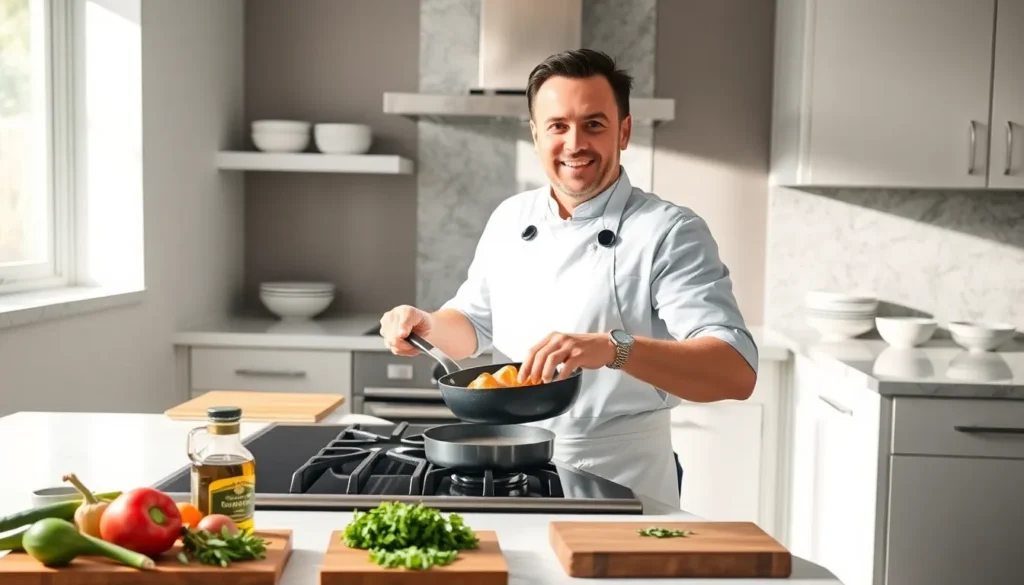

A solid cooking techniques guide can transform anyone from a hesitant home cook into a confident kitchen pro. The difference between a perfectly seared steak and a gray, rubbery disappointment? Technique. Between crisp roasted vegetables and soggy mush? Again, technique.
Most recipes assume readers already understand basic cooking methods. They’ll say “sauté the onions” or “braise the short ribs” without explaining what those terms actually mean. This gap leaves many cooks guessing, and often getting mediocre results.
This cooking techniques guide breaks down the essential methods every home chef needs. From dry heat to moist heat to combination approaches, understanding these fundamentals opens up thousands of dishes. Better yet, once these techniques click, following recipes becomes almost optional.
Table of Contents
ToggleKey Takeaways
- Mastering a cooking techniques guide transforms home cooks by teaching the fundamentals behind successful recipes.
- Dry heat methods like roasting and sautéing create browning and crispy textures through the Maillard reaction.
- Moist heat cooking techniques—boiling, simmering, poaching, and steaming—excel at tenderizing tough cuts and gently cooking delicate ingredients.
- Always preheat your pan or oven; proper temperature ensures browning instead of steaming.
- Choose your cooking technique based on the ingredient, desired texture, and available time for the best results.
- Hands-on experimentation with different methods builds kitchen intuition faster than memorizing rules.
Dry Heat Cooking Methods
Dry heat cooking uses air, fat, metal, or radiation to transfer heat, no water or liquid involved. These cooking techniques create browning, caramelization, and crispy textures that moist methods simply can’t achieve.
The Maillard reaction happens during dry heat cooking. This chemical process occurs when proteins and sugars meet high heat, producing the golden crusts and deep flavors people crave. It’s why roasted chicken tastes completely different from poached chicken, even when using identical seasonings.
Roasting and Baking
Roasting and baking both use the oven’s enclosed heat, but they serve different purposes. Roasting typically applies to meats, poultry, and vegetables. Baking covers breads, pastries, and casseroles.
For roasting, higher temperatures (400°F–450°F) work best for most proteins. The hot air circulates around the food, cooking it evenly while developing a flavorful exterior. A cooking techniques guide wouldn’t be complete without mentioning the importance of preheating, cold ovens produce uneven results.
Key roasting tips:
- Let meats rest at room temperature for 30 minutes before cooking
- Use a rack to allow air circulation beneath the food
- Don’t crowd the pan: overcrowding creates steam instead of browning
Sautéing and Pan-Frying
Sautéing uses high heat and a small amount of fat in a shallow pan. The term comes from the French word “sauter,” meaning “to jump.” Proper sautéing keeps food moving, preventing burning while ensuring even cooking.
Pan-frying uses more fat and lower heat than sautéing. It’s ideal for breaded items like cutlets or fish fillets that need time to cook through without burning the coating.
Both cooking techniques require a hot pan before adding food. The sizzle when food hits the surface indicates proper temperature. No sizzle? The pan isn’t ready, and the food will steam rather than brown.
Moist Heat Cooking Methods
Moist heat cooking uses water, stock, wine, or other liquids to transfer heat. These cooking techniques excel at tenderizing tough cuts of meat and gently cooking delicate ingredients like fish and eggs.
Temperature control matters more with moist heat methods. Water boils at 212°F and can’t get hotter, but the difference between a rolling boil and a gentle simmer dramatically affects outcomes.
Boiling, Simmering, and Poaching
Boiling brings liquid to 212°F with large, vigorous bubbles. It works well for pasta, blanching vegetables, and cooking sturdy items like potatoes. But, aggressive boiling can destroy delicate foods.
Simmering maintains liquid between 185°F and 205°F. Small bubbles rise gently from the bottom. Most soups, stocks, and braises use this temperature range. A good cooking techniques guide emphasizes that “simmer” doesn’t mean “barely boil”, it’s a distinct, lower temperature.
Poaching uses even lower temperatures (160°F–180°F). The liquid barely moves. This gentle approach works perfectly for eggs, fish, and chicken breasts.
Steaming and Braising
Steaming suspends food above boiling water, using the rising vapor to cook. It’s one of the healthiest cooking techniques because nutrients don’t leach into cooking water. Vegetables, dumplings, and fish all steam beautifully.
Braising combines dry and moist heat, technically making it a hybrid method. Food is first seared, then slowly cooked in a covered pot with liquid. This cooking technique transforms tough cuts like chuck roast and pork shoulder into fork-tender dishes.
Combination Cooking Techniques
Some cooking techniques use both dry and moist heat to achieve results neither method could accomplish alone. These approaches take longer but deliver exceptional flavor and texture.
Braising, as mentioned, starts with dry heat searing. The liquid then enters the equation, and slow cooking breaks down collagen in tough meat. Stews follow a similar pattern but use smaller pieces of food submerged in more liquid.
Stir-frying deserves mention here too. While technically dry heat, it often incorporates small amounts of liquid (soy sauce, stock) at the end. The extremely high heat and constant movement define this cooking technique. A proper stir-fry happens fast, all prep must be complete before the wok heats up.
Another combination approach: starting food in a cold oven and gradually raising temperature. This cooking technique works well for large roasts, producing even doneness throughout while still achieving exterior browning.
How to Choose the Right Technique for Any Dish
Selecting the correct cooking technique depends on three factors: the ingredient, the desired result, and available time.
Consider the ingredient first. Tender cuts like filet mignon need quick, high-heat methods. Tough cuts like brisket require low, slow approaches. Delicate fish calls for gentle poaching or careful pan-frying. Hardy root vegetables handle almost any cooking technique well.
Think about texture. Want crispy? Choose dry heat. Want succulent and falling-apart tender? Braising wins. Looking for clean, pure flavors without browning? Steam or poach.
Factor in time. Sautéing takes minutes. Braising takes hours. Most weeknight dinners favor faster cooking techniques, while weekend projects allow for slow roasting or stewing.
This cooking techniques guide offers one more suggestion: consider the season. Hot summer days call for quick sautés and cold dishes. Cold winter evenings welcome long-braised stews and roasts that warm the kitchen.
Experimentation teaches more than any guide. Try the same protein prepared two different ways, roast a chicken breast one night, poach it another. Notice the texture and flavor differences. This hands-on comparison builds intuition faster than memorizing rules.


