
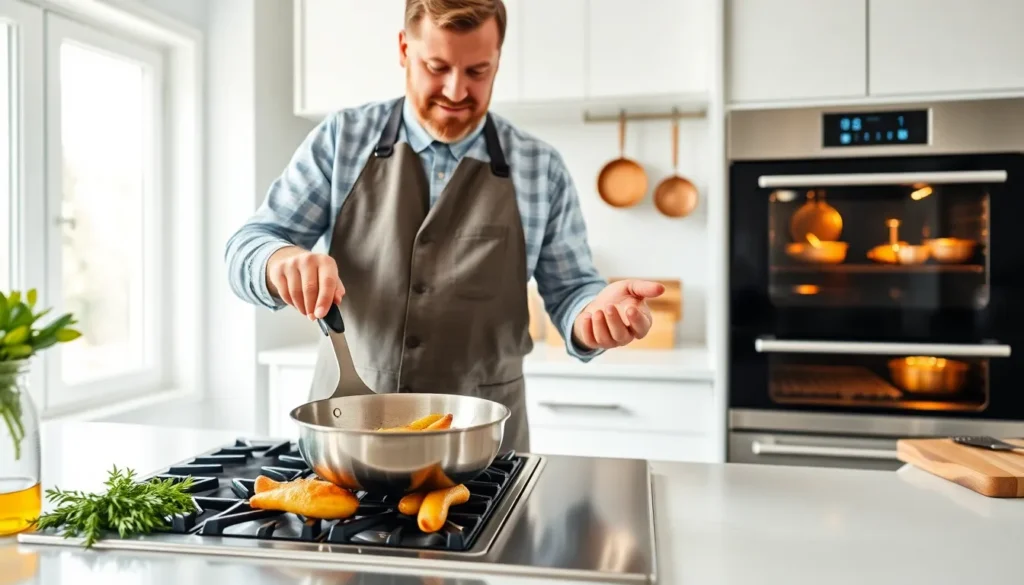

Mastering cooking techniques transforms ordinary meals into memorable dishes. Whether someone is just starting out or has years of experience in the kitchen, understanding how heat transfers to food makes all the difference. These foundational skills help home chefs control texture, develop flavor, and cook with confidence.
This guide covers the essential cooking techniques that form the backbone of great cooking. From high-heat searing to slow braises, each method serves a specific purpose. Learning when and how to use them opens up endless possibilities in the kitchen.
Table of Contents
ToggleKey Takeaways
- Mastering cooking techniques gives you control over texture, flavor, and confidence in the kitchen.
- Dry-heat methods like sautéing and roasting create browning and crispness that moist-heat cooking cannot achieve.
- Temperature control is essential—preheat your pan until oil shimmers and food sizzles immediately when added.
- Moist-heat cooking techniques like braising and stewing break down collagen, turning tough cuts into tender, flavorful meat.
- Combining cooking techniques, such as searing before braising, builds complex layers of flavor in a single dish.
- Deglazing the pan after searing captures concentrated flavor (fond) for rich, restaurant-quality sauces.
Dry-Heat Cooking Methods
Dry-heat cooking techniques use air, fat, or metal to transfer heat without moisture. These methods work best for tender cuts of meat, vegetables, and baked goods. They create browning, crispness, and concentrated flavors that moist methods simply can’t achieve.
The key to dry-heat cooking lies in temperature control. Too low, and food steams instead of browns. Too high, and the outside burns before the inside cooks through. Finding that sweet spot takes practice, but the results are worth it.
Sautéing and Pan-Frying
Sautéing is one of the most versatile cooking techniques in any kitchen. The method involves cooking food quickly in a small amount of fat over medium-high heat. The word comes from the French “sauter,” meaning to jump, and that’s exactly what the food should do in the pan.
For successful sautéing, home chefs should heat the pan first, then add oil. Wait until the oil shimmers before adding ingredients. Overcrowding the pan drops the temperature and causes steaming instead of browning. Work in batches if needed.
Pan-frying uses more fat than sautéing and slightly lower heat. This technique works well for breaded items, thicker cuts of meat, and foods that need longer cooking times. The fat creates a crispy exterior while keeping the inside moist.
Both cooking techniques benefit from preheating the fat properly. A good test: drop a small piece of food into the pan. It should sizzle immediately. No sizzle means the pan isn’t ready.
Roasting and Baking
Roasting and baking both use the oven’s dry heat, but they differ in application. Roasting typically refers to meats and vegetables, while baking applies to breads, pastries, and casseroles. Both rely on hot air circulating around food to cook it evenly.
High-temperature roasting (400°F and above) creates excellent browning on the outside of meats and vegetables. This is where the Maillard reaction happens, that chemical process responsible for the delicious brown crust on a well-roasted chicken. Lower temperatures (325°F-375°F) cook food more gently, reducing the risk of drying out.
Convection settings speed up cooking by circulating air with a fan. They also promote more even browning. When using convection, reduce the temperature by 25°F or cut the cooking time by about 25%.
These cooking techniques require an accurate oven thermometer. Most ovens run hot or cold by 25 degrees or more. An inexpensive thermometer removes the guesswork.
Moist-Heat Cooking Methods
Moist-heat cooking techniques use water, stock, wine, or other liquids to transfer heat. These methods excel at tenderizing tough cuts of meat and creating rich, flavorful sauces. The liquid maintains temperatures at or below 212°F (boiling point), which prevents overcooking and keeps food moist.
Moist heat breaks down collagen in connective tissue, turning tough cuts into tender, shreddable meat. This process takes time, usually hours rather than minutes. But the hands-off nature of these cooking techniques makes them perfect for busy cooks.
Braising and Stewing
Braising involves searing meat first, then cooking it partially submerged in liquid at low heat for an extended period. This two-step process combines dry and moist cooking techniques for maximum flavor. The initial sear creates a caramelized crust, while the slow simmer tenderizes the meat and builds a rich sauce.
Classic braises include pot roast, short ribs, and coq au vin. The best cuts for braising contain lots of connective tissue: chuck roast, pork shoulder, and lamb shanks. Lean cuts dry out during long cooking, they don’t have enough collagen to keep them moist.
Stewing is similar to braising but uses smaller pieces of meat fully submerged in liquid. Stews cook at slightly higher temperatures than braises and produce more sauce. Both cooking techniques benefit from low, slow heat. A gentle simmer (small bubbles breaking the surface) works better than a rolling boil, which can make meat stringy.
Dutch ovens work exceptionally well for both methods. Their heavy construction maintains steady heat, and the tight-fitting lid prevents moisture loss. Oven braising at 300°F-325°F produces more consistent results than stovetop cooking.
Combination Techniques for Flavor Development
Some of the best dishes combine multiple cooking techniques to build layers of flavor. A classic braise, for example, starts with dry-heat searing before transitioning to moist-heat cooking. This combination creates complexity that single-method cooking can’t match.
Stir-frying represents another combination approach. It uses very high heat and constant motion to sear food quickly while cooking it through. The technique requires all ingredients prepped and ready before the pan heats up, there’s no time to chop once cooking begins.
Searing before roasting is another powerful combination. A quick sear in a screaming-hot pan develops a flavorful crust, then the oven finishes cooking the interior gently. This approach works particularly well for thick steaks and pork chops.
Deglazing bridges cooking techniques beautifully. After searing or sautéing, adding liquid to the hot pan releases the browned bits (called fond) stuck to the bottom. Those bits contain concentrated flavor that becomes the foundation of pan sauces. Wine, stock, or even water works, the key is using enough liquid to loosen everything.
Understanding how cooking techniques interact helps home chefs improvise with confidence. Once someone grasps why searing adds flavor and how braising tenderizes tough cuts, they can apply those principles to new recipes and ingredients.


